4 Shifts Redefining Influencer Marketing for Gen Z Homeowners
April 16, 2026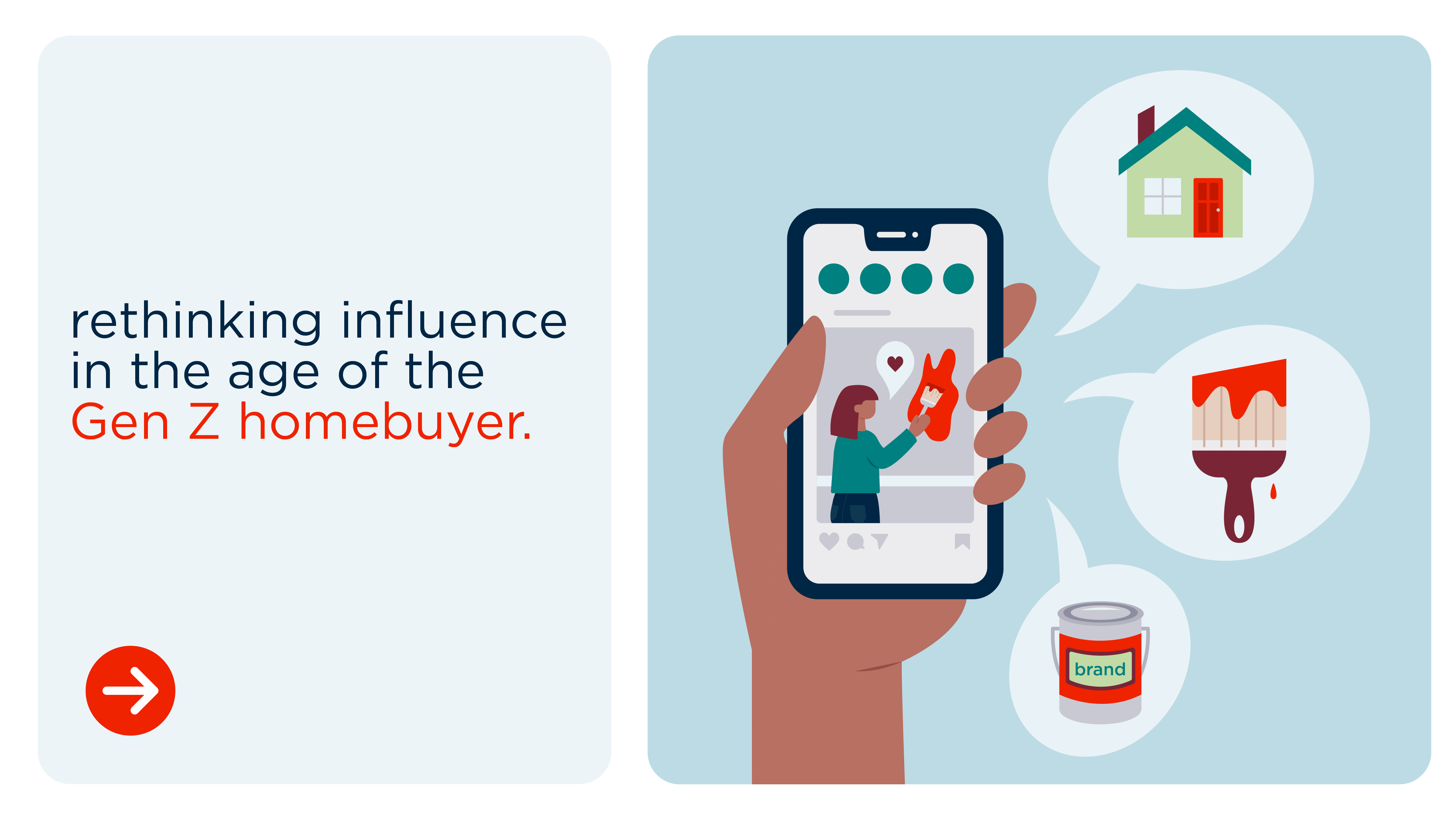
For years, influencer marketing has been treated as a top-of-funnel play—effective for driving awareness for everything from small purchases to bigger, more expensive, and permanent ones.
Gen Z is challenging that assumption.
As this generation enters homeownership with smaller spaces, tighter budgets, and far less tolerance for regret, influence is no longer just about inspiration. It’s about evaluation. And in categories like home, design, and durable products meant to live with people over time, that distinction matters.
From Inspiration to Evaluation
Gen Z’s relationship with influencers looks different from previous generations. Influencers aren’t simply introducing products—they’re helping younger homeowners work through decisions, pressure-test options, and build confidence before committing. In many cases, creator content has become one of the primary ways those decisions are validated long before a purchase is made.
This behavior is supported by data. Nearly 80 percent of Gen Z consumers report incorporating social media into their shopping journey, using platforms not just to discover products, but to research, compare, and evaluate them before buying (source). In that context, influencer content is not simply promotional; it plays an active role in shaping confidence around a decision.
Process Over Perfection
Entertainment still matters, but the content that holds attention tends to be rooted in process rather than perfection. Gen Z spends more time with creators who show how decisions are made, how tradeoffs are weighed, and how products perform once they are part of daily life. The appeal comes from watching someone work through choices in a way that feels familiar and realistic.
Within that ecosystem, micro-influencers play an important role. Research shows that Gen Z often places high trust in creators with smaller, more engaged audiences, particularly when those creators are navigating relatable constraints like limited space, first-time homeownership, or ongoing DIY projects. Their influence comes less from reach and more from relevance, and from a sense that their recommendations are shaped by lived experience.
Reason Behind the Recommendation
What resonates most in this content is not the recommendation itself, but the reasoning behind it. Viewers pay attention to why something earned a place, what it replaced, and what compromises were involved. That transparency mirrors the way many people make decisions when space and money are limited, and it helps reduce uncertainty around higher-consideration purchases.
Production value can enhance storytelling, but it is rarely the deciding factor. Content that feels overly styled or scripted can create distance, while simpler, in-context storytelling often feels more credible because it reflects how products are actually used. What matters most is clarity about fit, usefulness, and longevity.
Less Persuasion, More Reassurance
Across categories where long-term use and practicality matter, influence functions less as persuasion and more as reassurance. Influencer content helps make the decision process relatable and gives people confidence that a choice will hold up beyond the moment of purchase. That’s why influencers have become central to how Gen Z thinks about their homes. Not because they dictate what to buy, but because they show what it looks like to live with a decision over time.
For the brands that make products meant to be lived with—not just installed and forgotten—this shift in how influence is evaluated, activated, and measured is critical. And for this new generation of homeowners, it’s no longer about just earning their attention; it’s about earning confidence. And for Gen Z, confidence is what ultimately drives the decision.

Marlaina is a senior communications leader with 20+ years of experience spanning public relations, media relations, executive positioning, influencer strategy, and reputation management across B2B, consumer, and economic development. Throughout her career, she has developed and overseen PR and social media campaigns for high-profile brands such as Kohl’s, TIKI Brand, Wahl, Visit Montana, Catalyst Construction, Saia LTL Freight, Zurn-Elkay, and WEDC.