Most Brands Miss the Mark on ADA Compliance, Does Yours?
July 24, 2026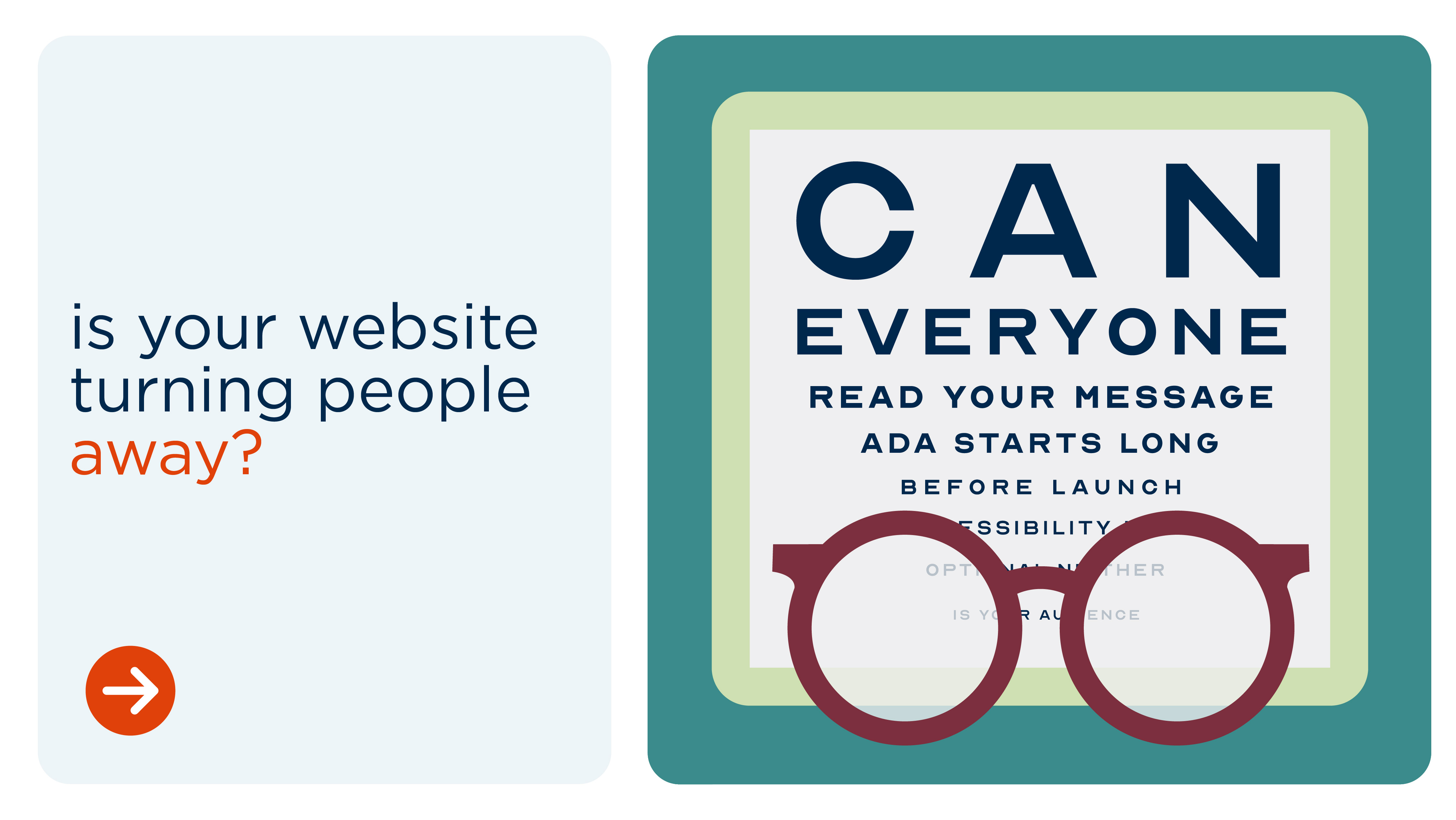
Reaching people where they are is a powerful way brands can build connection and loyalty, but many don’t know where to start when it comes to ADA compliance. In fact, the vast majority of websites fail basic ADA accessibility standards. That means your brand’s website probably has room for improvement. So, in honor of the Americans with Disabilities Act anniversary on July 26th, Hoffman York is offering insights on how to reach more of the one-in-four Americans living with a disability.
Many campaigns unintentionally create barriers that prevent people from fully engaging with brands. That's where accessibility comes in. Digital accessibility is the practice of designing websites, content, and campaigns so they work for people with a wide range of abilities and circumstances. This includes features like captions for videos, readable text, keyboard-friendly navigation, and content that can be understood without sound.
Why You Should Care About ADA Compliance
The impact goes far beyond usability. Accessibility influences trust, brand reputation, customer reach, and business performance. In 2008, Target paid $6 million to settle a lawsuit over its inaccessible website—a landmark case that helped establish digital accessibility as both a business and legal priority. In 2025 alone, more than 2,000 ADA website accessibility lawsuits were filed , a 37% increase compared to 2024.
Today, expectations continue to grow, yet only 5.2% of the top million websites pass WCAG for ADA compliance. The Department of Justice has introduced new digital accessibility requirements for state and local government websites, with compliance deadlines beginning in 2026 and extending into 2027. While these rules apply specifically to public entities, they reflect a broader shift in digital expectations: accessible experiences are increasingly becoming the standard.
More People Than You Think
Over 61 million adults in the United States live with a type of disability. But accessibility isn't only about permanent disabilities. Someone with a temporary injury, a parent managing a task one-handed, or a commuter watching video without sound all benefit from accessible experiences.
These aren't edge cases. They represent the many ways people interact with digital content every day—across different environments, abilities, and circumstances. Accessible creative performs better because it removes unnecessary friction. Captions increase video completion rates. Clear typography improves readability for everyone. Thoughtful color contrast increases comprehension across devices. Accessibility makes better experiences for everyone.
It Starts With The Creative Process
Accessibility lives in every touchpoint—from social and video to email, websites, and landing pages. Small decisions made early can determine whether someone can engage with your work: captions, pause controls, readable typography, strong contrast, aria labels on clickable elements, alt text on images, intuitive navigation, appropriately sized buttons, and so much more.
Creating accessible experiences is a shared responsibility. While UX designers and developers help guide accessibility standards, every discipline influences the choices that shape an audience's experience. At Hoffman York, accessibility is considered during strategy, UX, creative and development, not just added after launch.
Designing With People In Mind
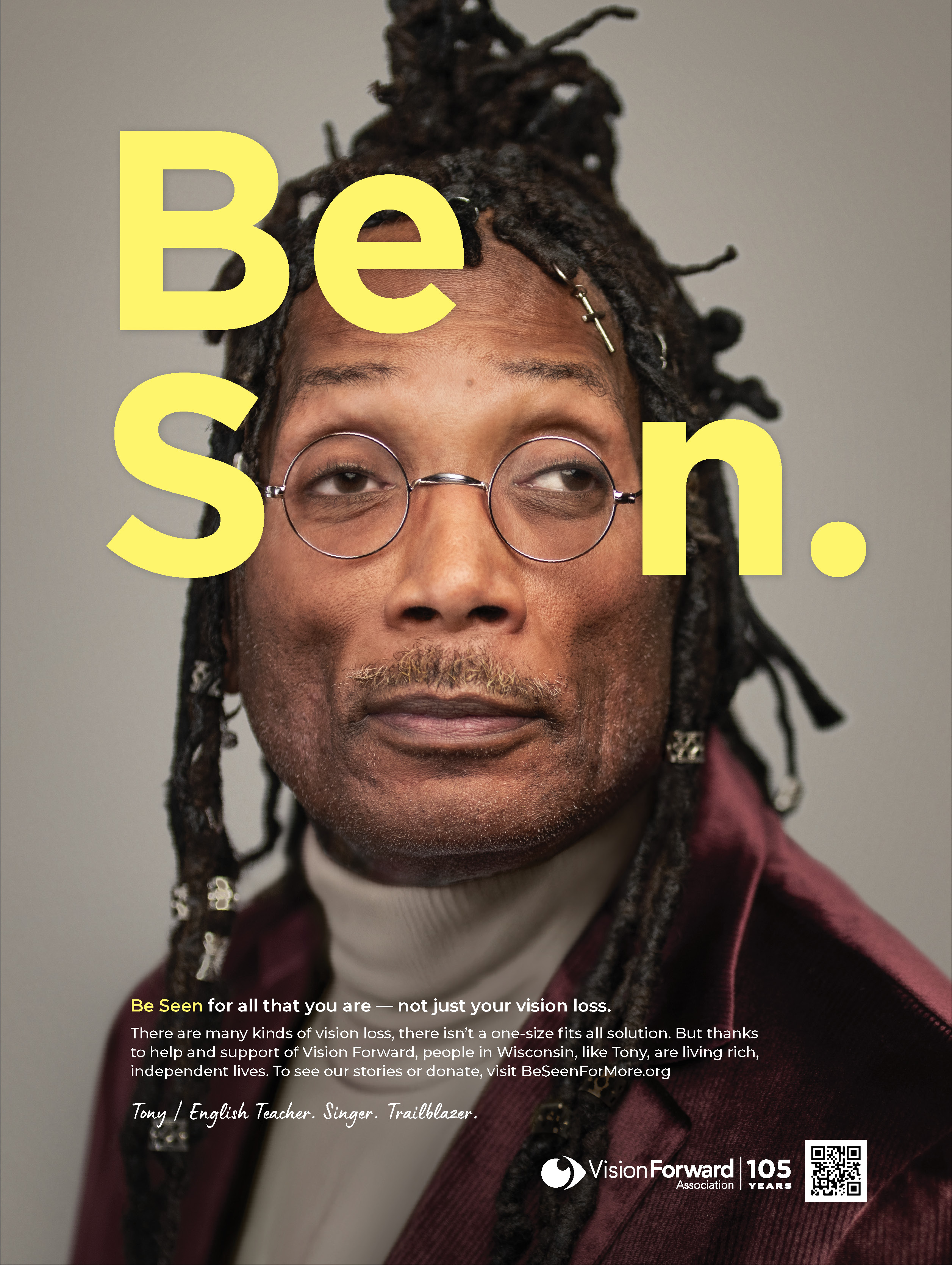
Accessibility also extends beyond technology. Inclusive marketing is ultimately about understanding people and designing with empathy. Our work with Vision Forward, a Wisconsin nonprofit serving people who are blind or visually impaired, put that belief into practice.
The "Be Seen" campaign moved beyond traditional nonprofit messaging to highlight real advocate stories through photography, interviews, and a hero video across print, out-of-home, PR and social. The work required thoughtful storytelling that represented the community authentically while connecting with broader audiences.
Even the campaign itself reflected accessibility principles. Third Ward posters featured accessible QR codes, ensuring a campaign centered on inclusion was inclusive by design.
The result: record social traffic, increased philanthropic momentum, and a Certificate of Commendation from Governor Tony Evers within a month of launch.
An Ongoing Commitment
Accessibility doesn't end at launch. Digital experiences evolve, standards change, and audiences' needs continue to shift. Treat accessibility as part of the lifecycle—not a final checklist—and you protect the experience you've built.
The best campaigns don't just reach more people. They create better experiences for the people they're built to serve.
Ready to talk about accessible experiences for your brand? Get in touch, and let’s chat.

With experience spanning UX design, research, strategy, and digital development, Grace brings a thoughtful, human-centered perspective to creating digital experiences that connect people with the brands they trust.